


One Idea, One Image
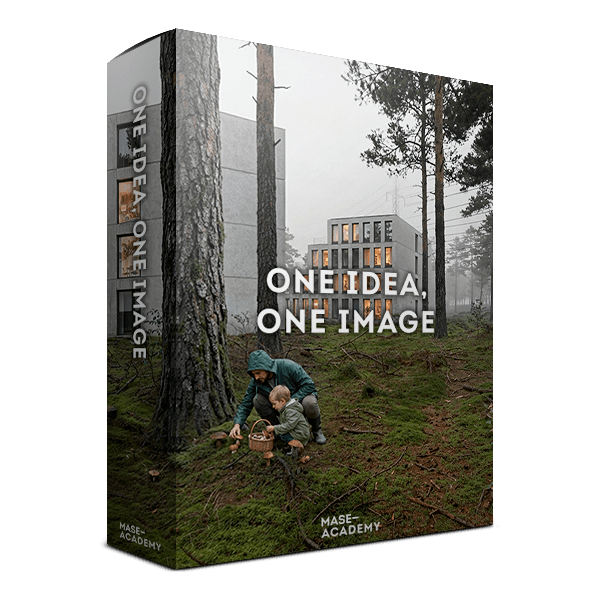
This 90-minute framework teaches you how to design the image before you start rendering, using principles that work across any software or workflow.
Built for architecture students and junior visualization artists.
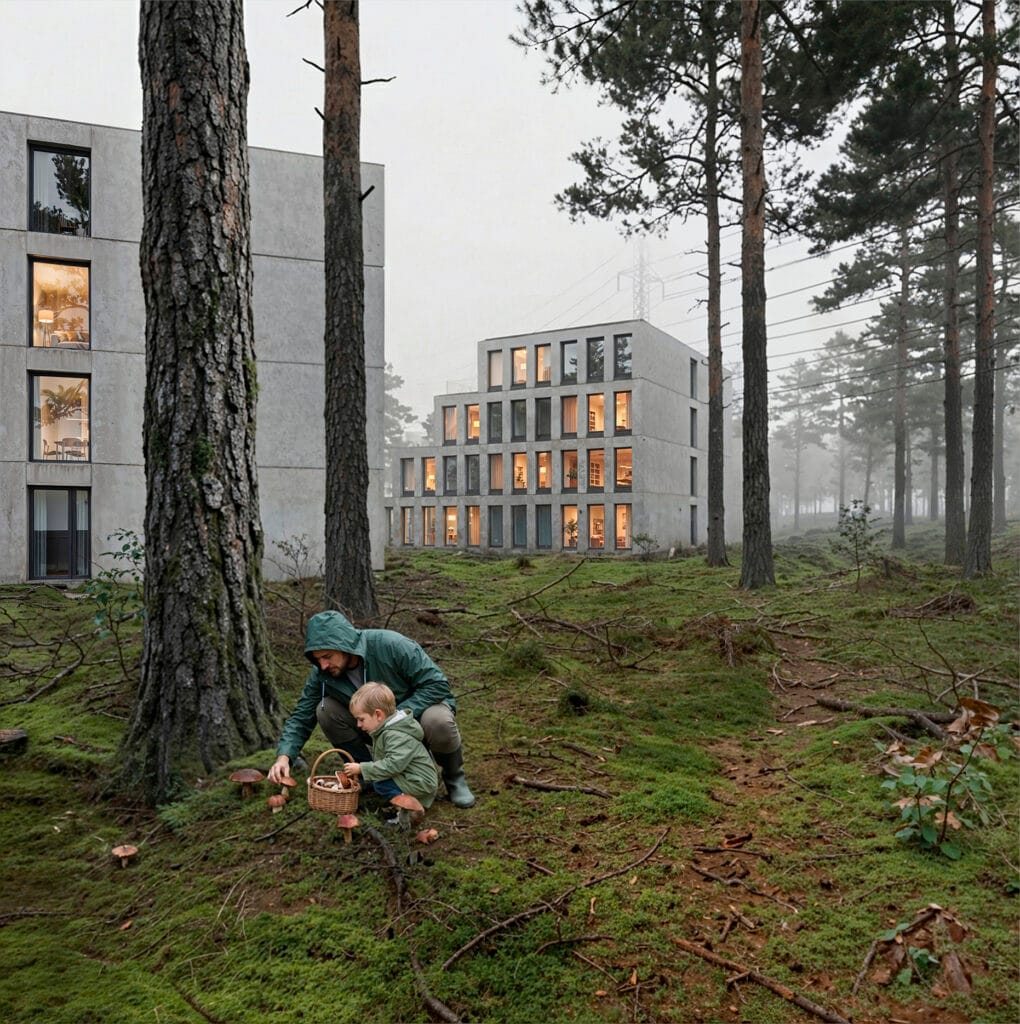
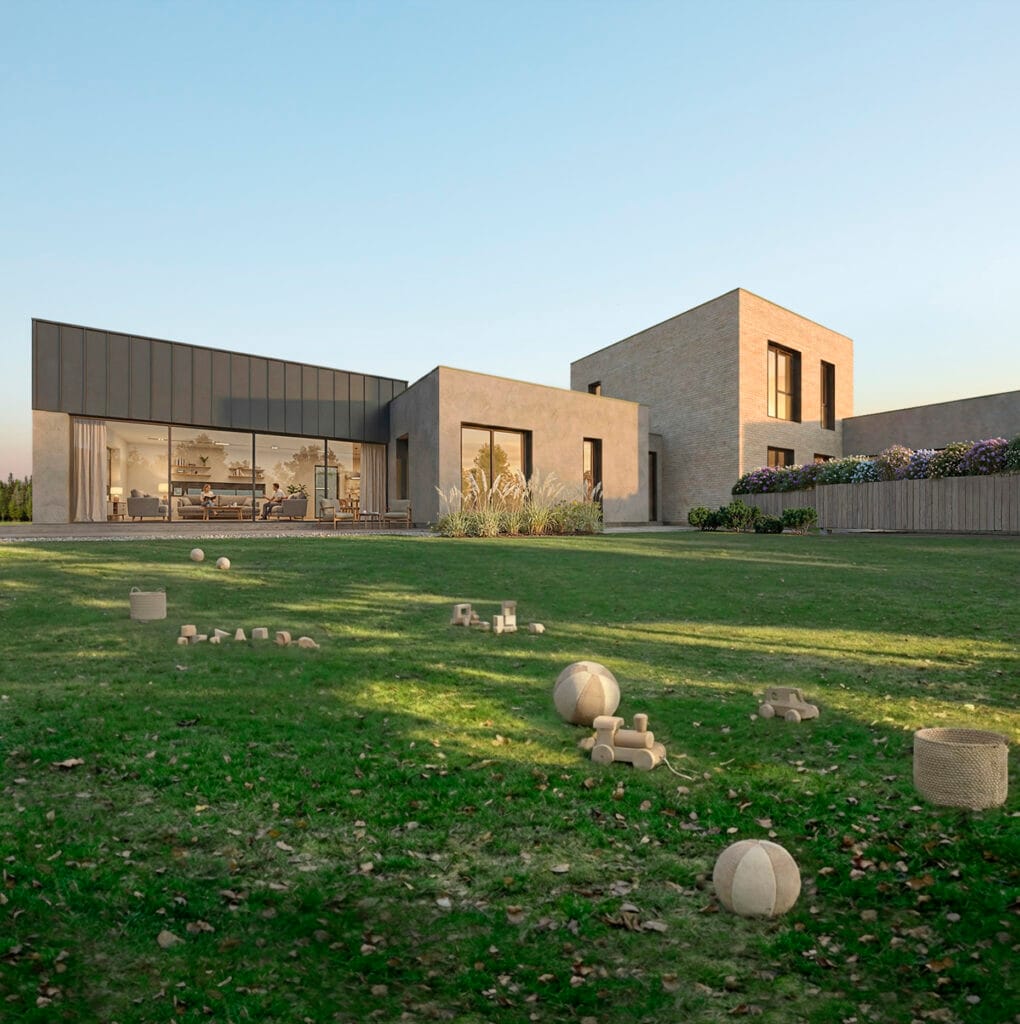
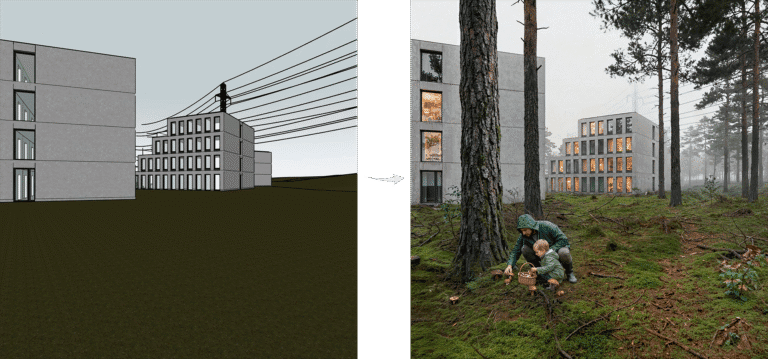
Same principles, 3 completely different images
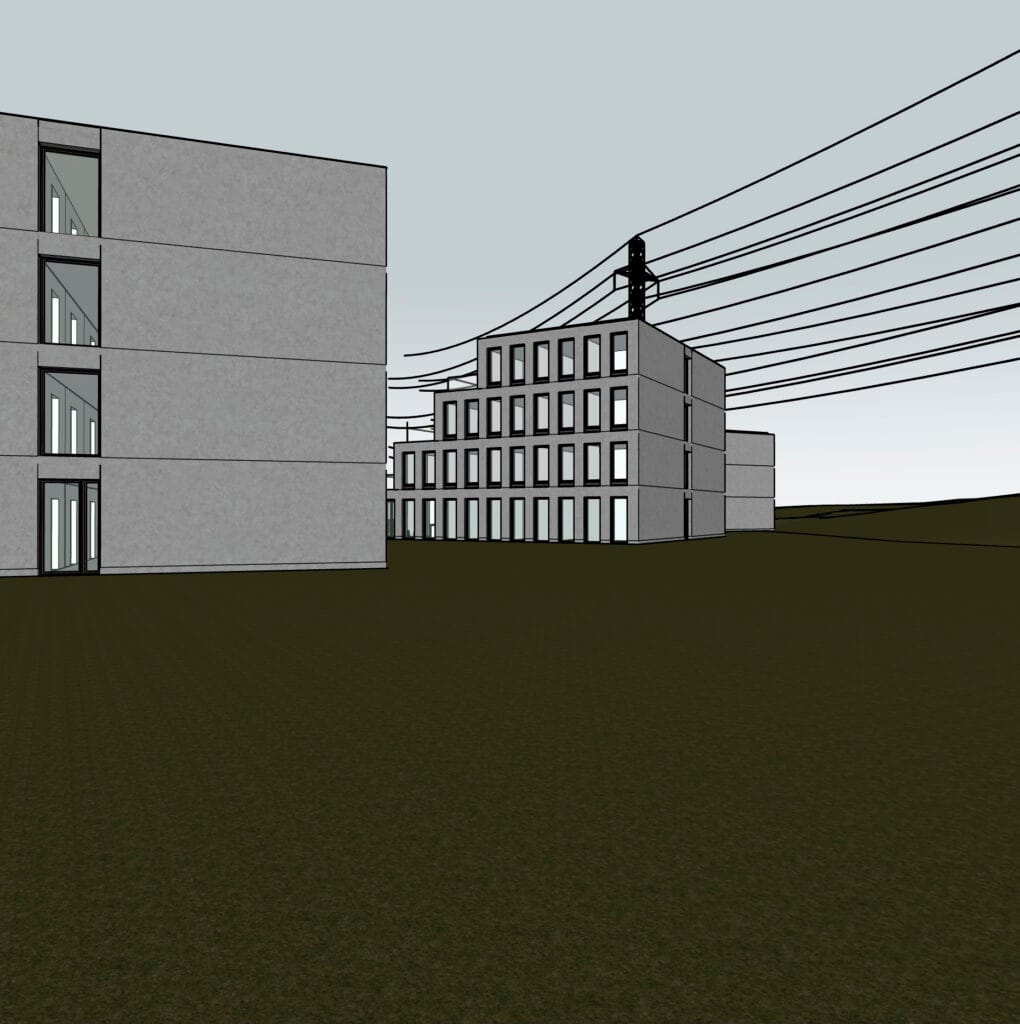
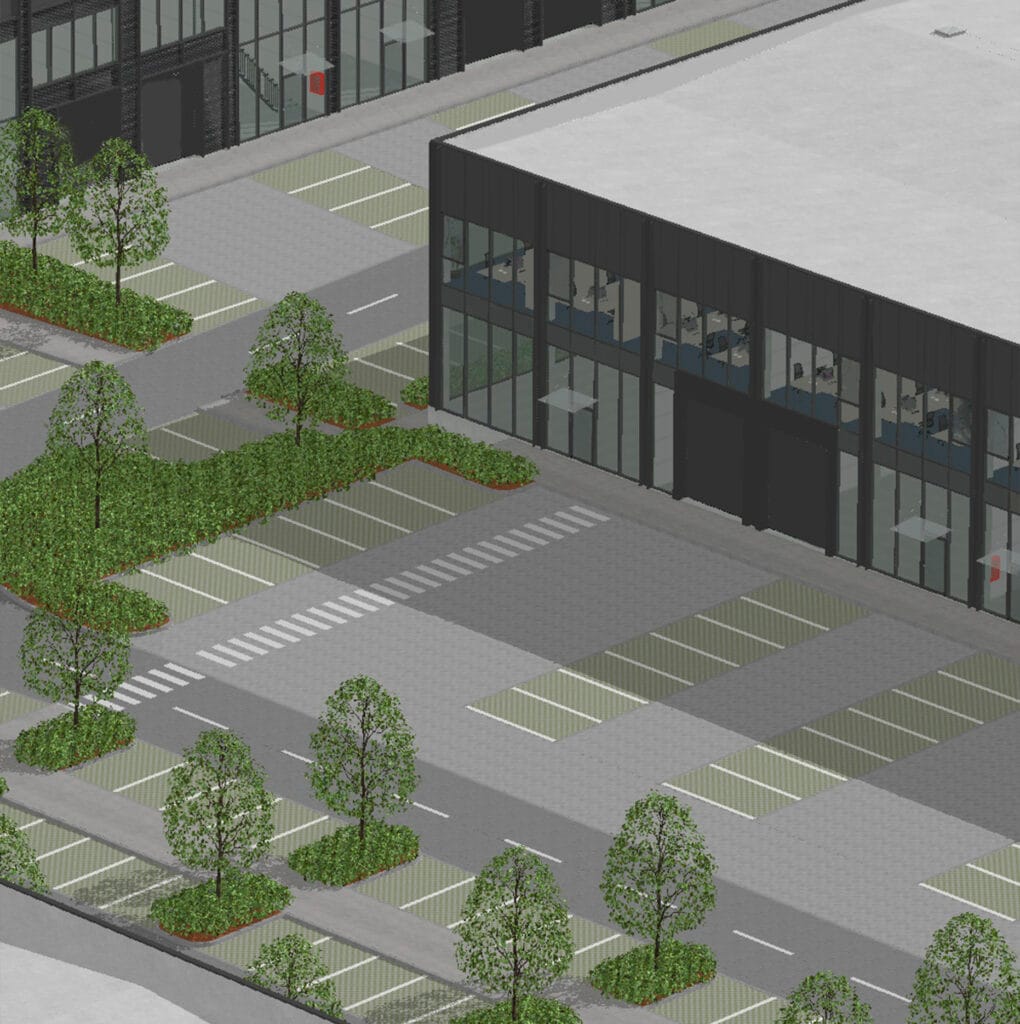
Each image starts as a raw viewport screenshot from a different software — all finished using the same decision framework.
Starting conditions
Viewport: SketchUp
Camera: Eye-level
Lighting: Overcast
Starting conditions
Viewport: 3ds Max
Camera: Low-angle
Lighting: Late sun / soft evening
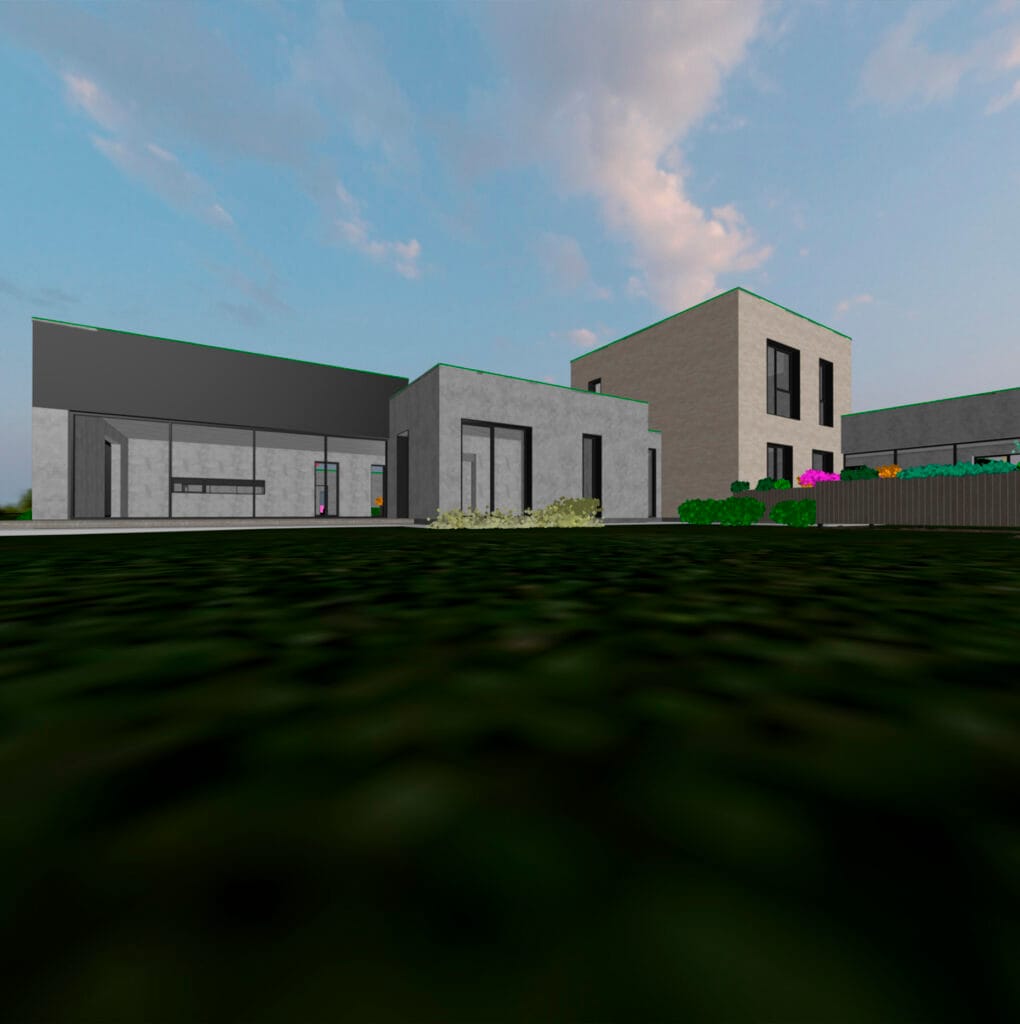
Starting conditions
Viewport: Archicad
Camera: Telephoto compression
Lighting: Neutral daytime
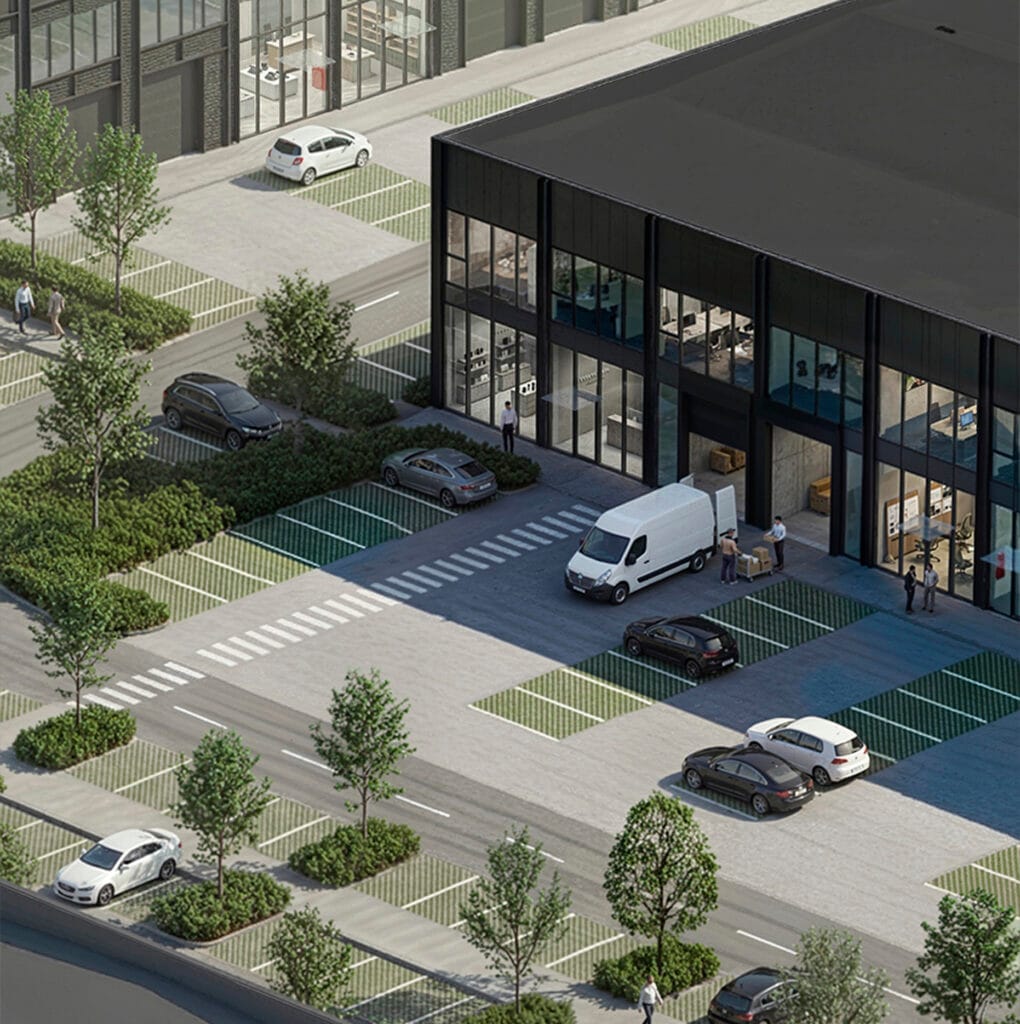
This course isn’t about recreating these images, but understanding the thinking behind them.
What will you learn?
Define what an image is meant to communicate in one sentence
Use camera choice and aspect ratio to replace complexity
Control visual hierarchy so the image reads instantly
Refine images with AI without losing authorship or intent
Create portfolio images that feel more professional and hiring-ready.
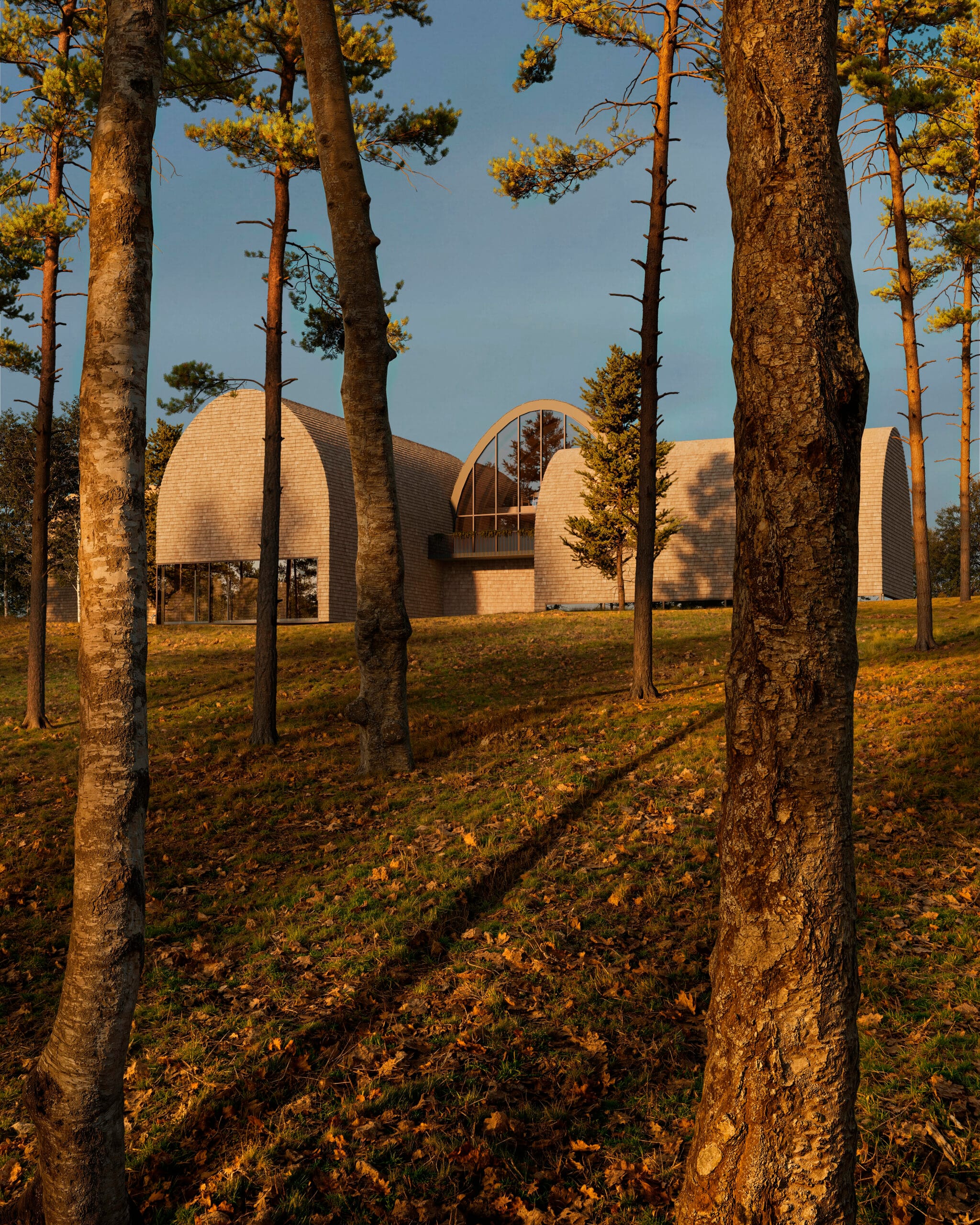
Images created based on this course
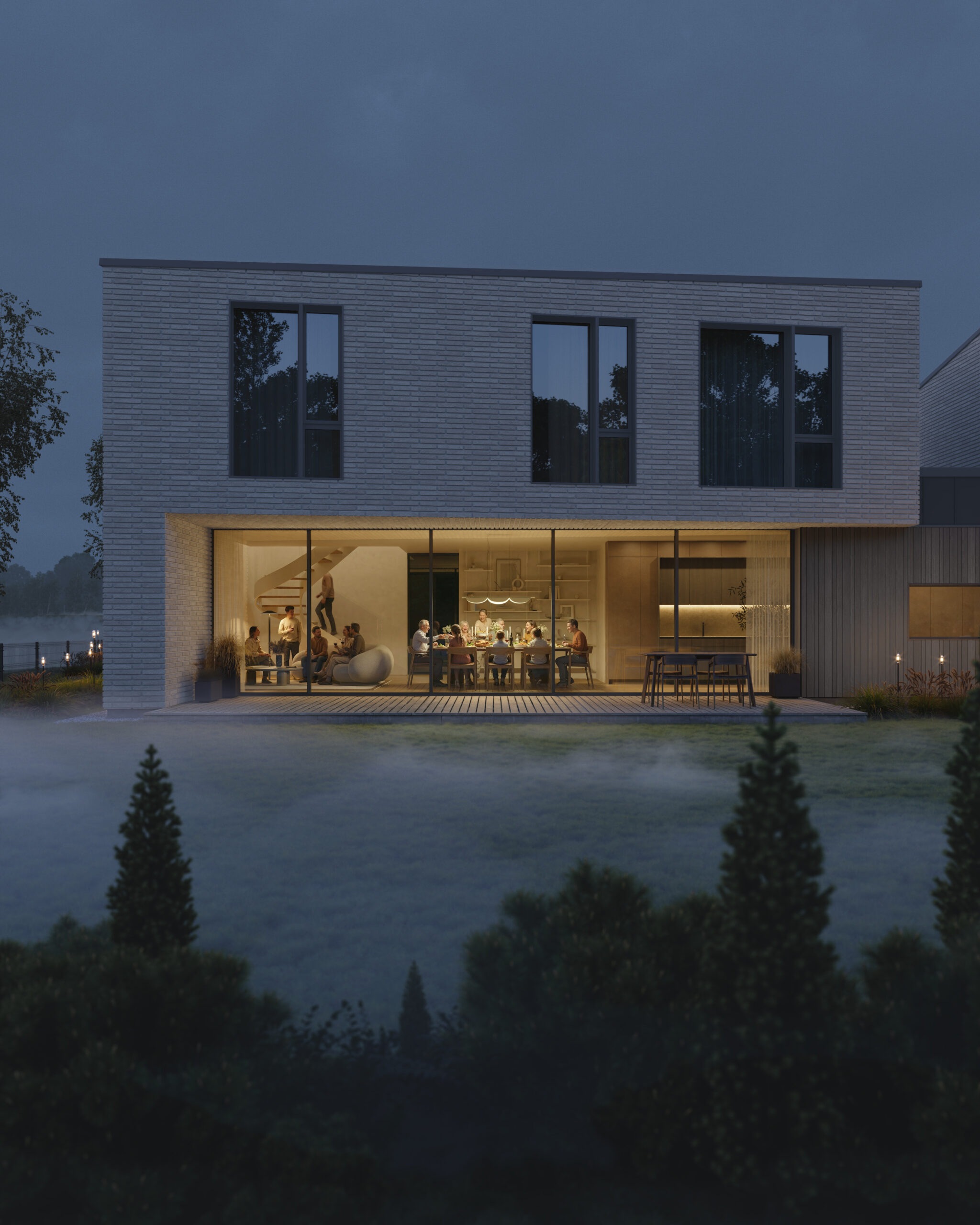
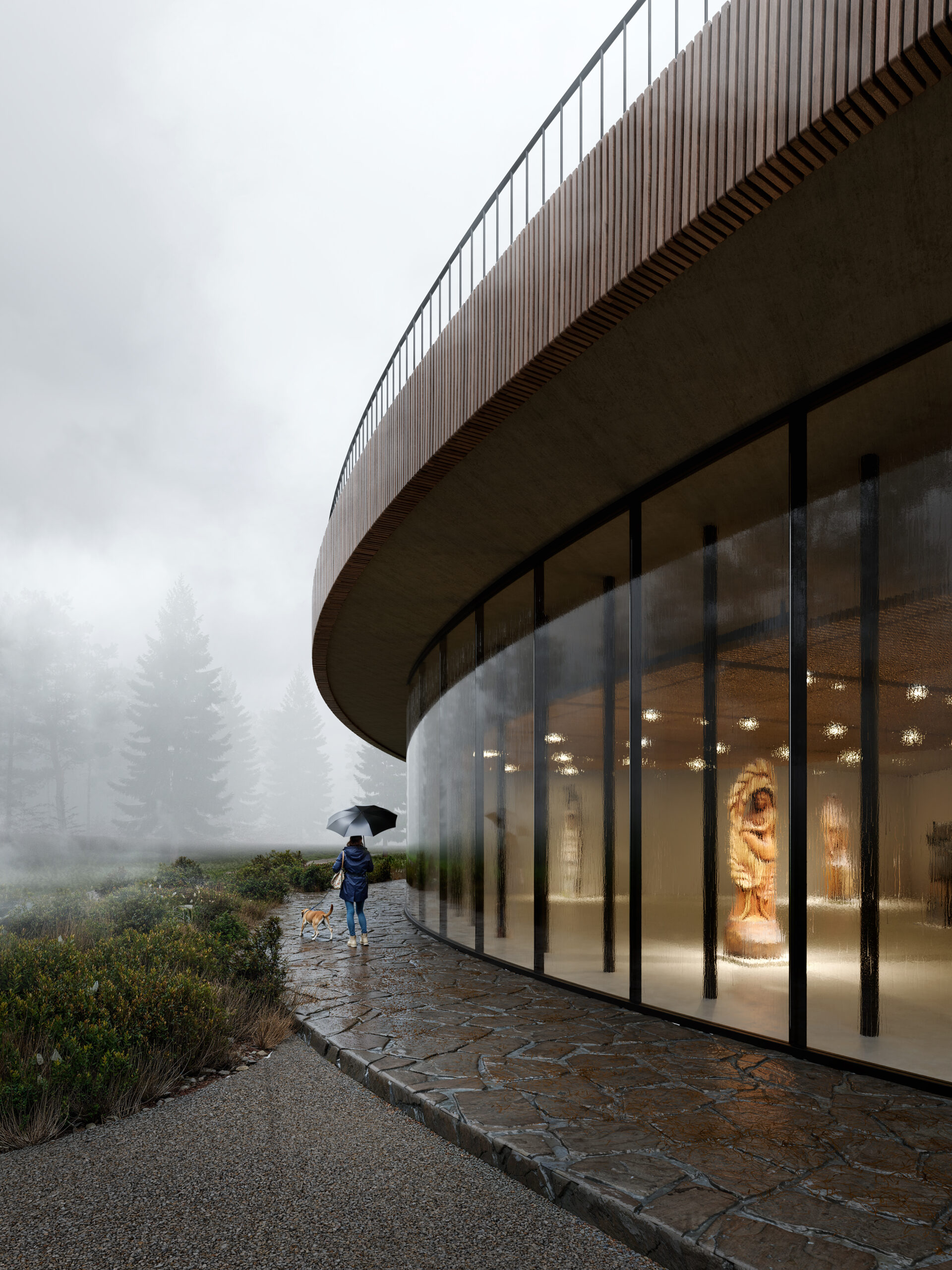
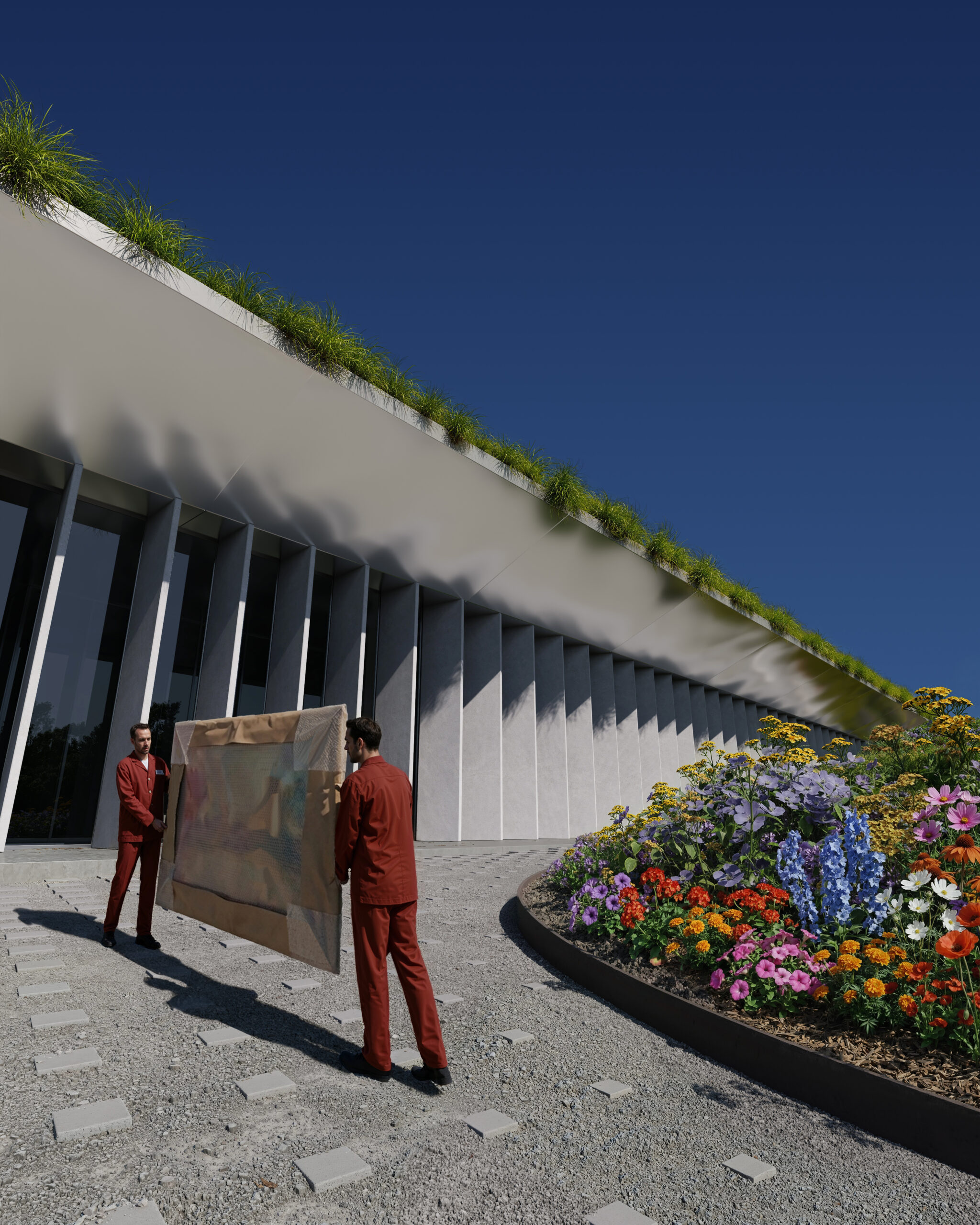
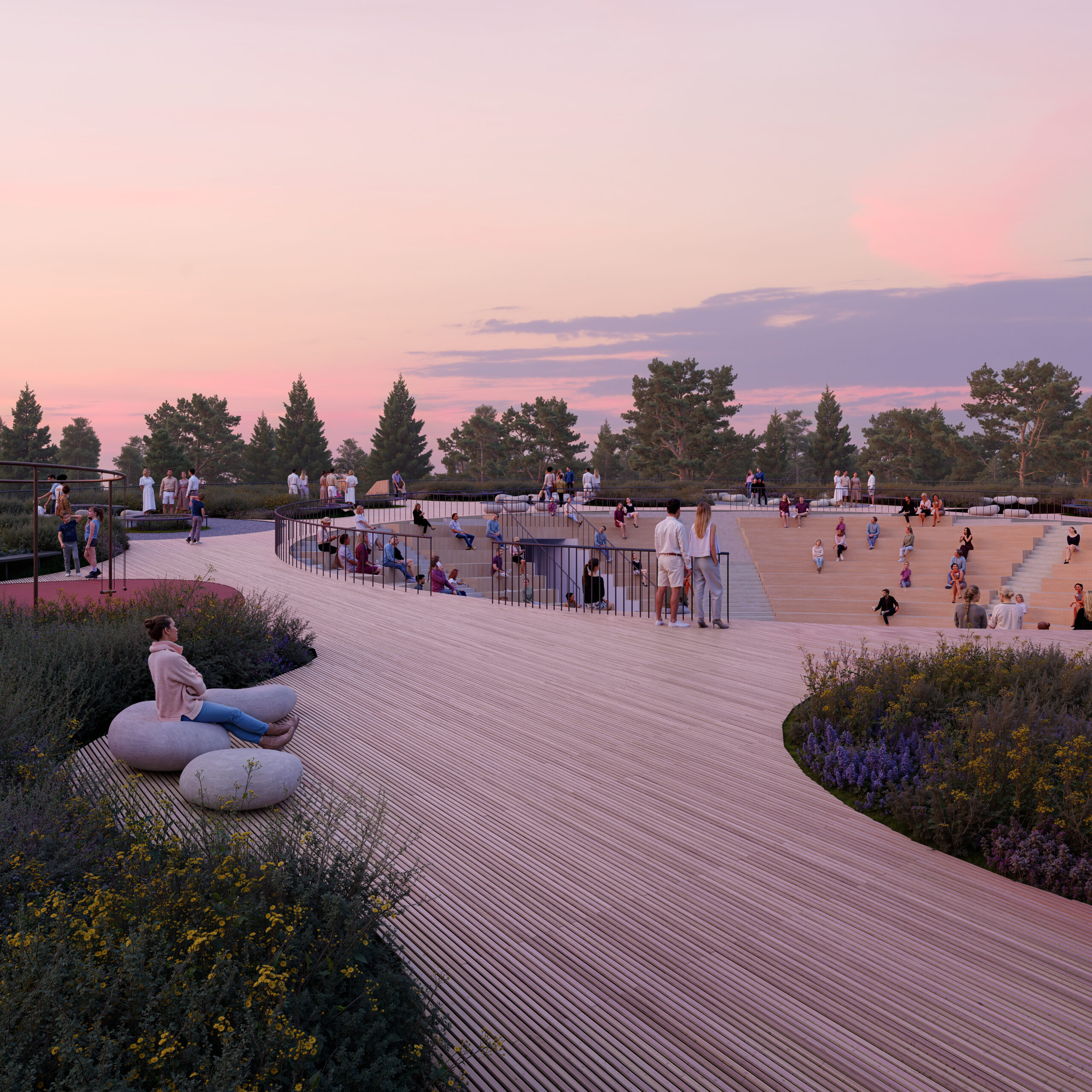
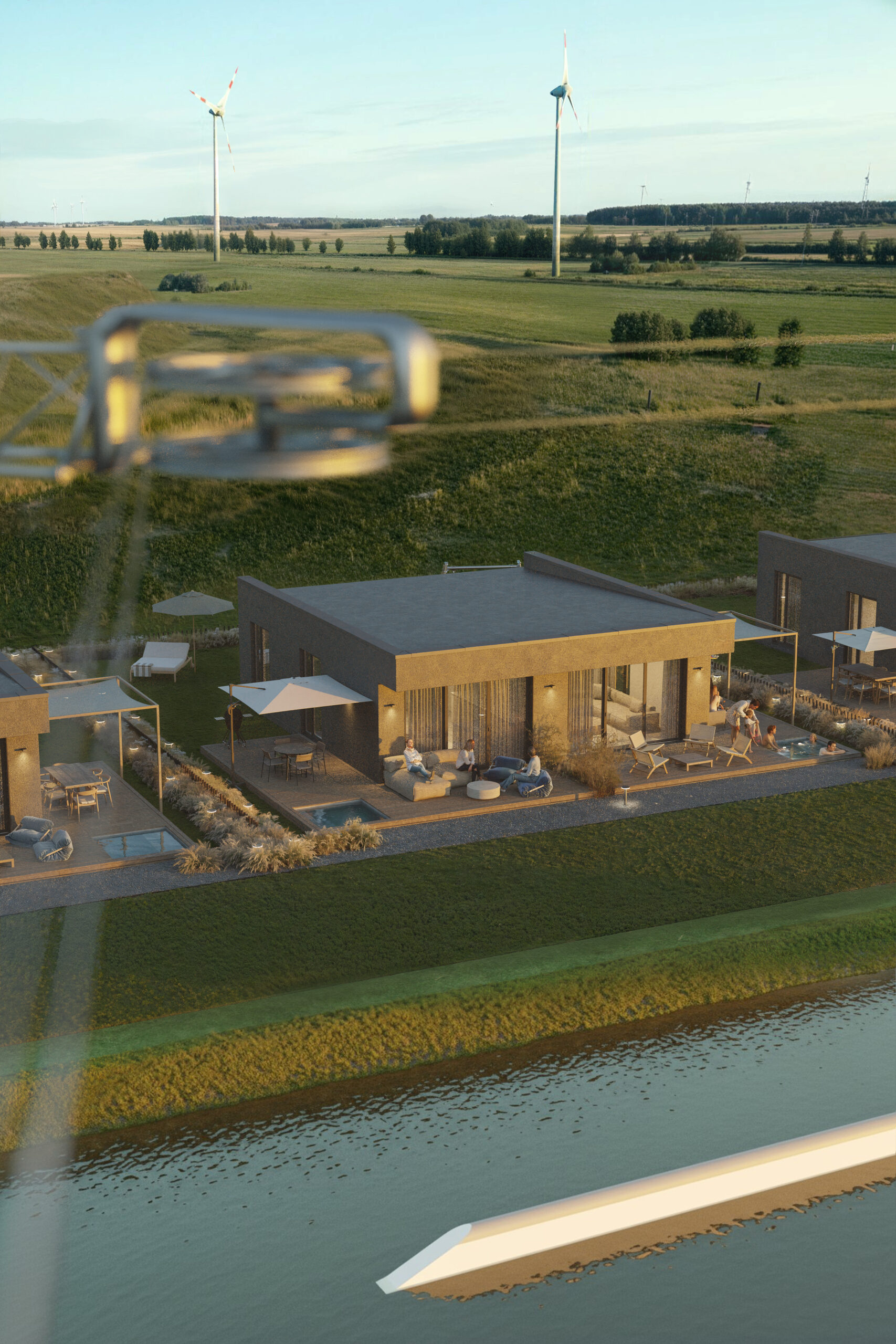
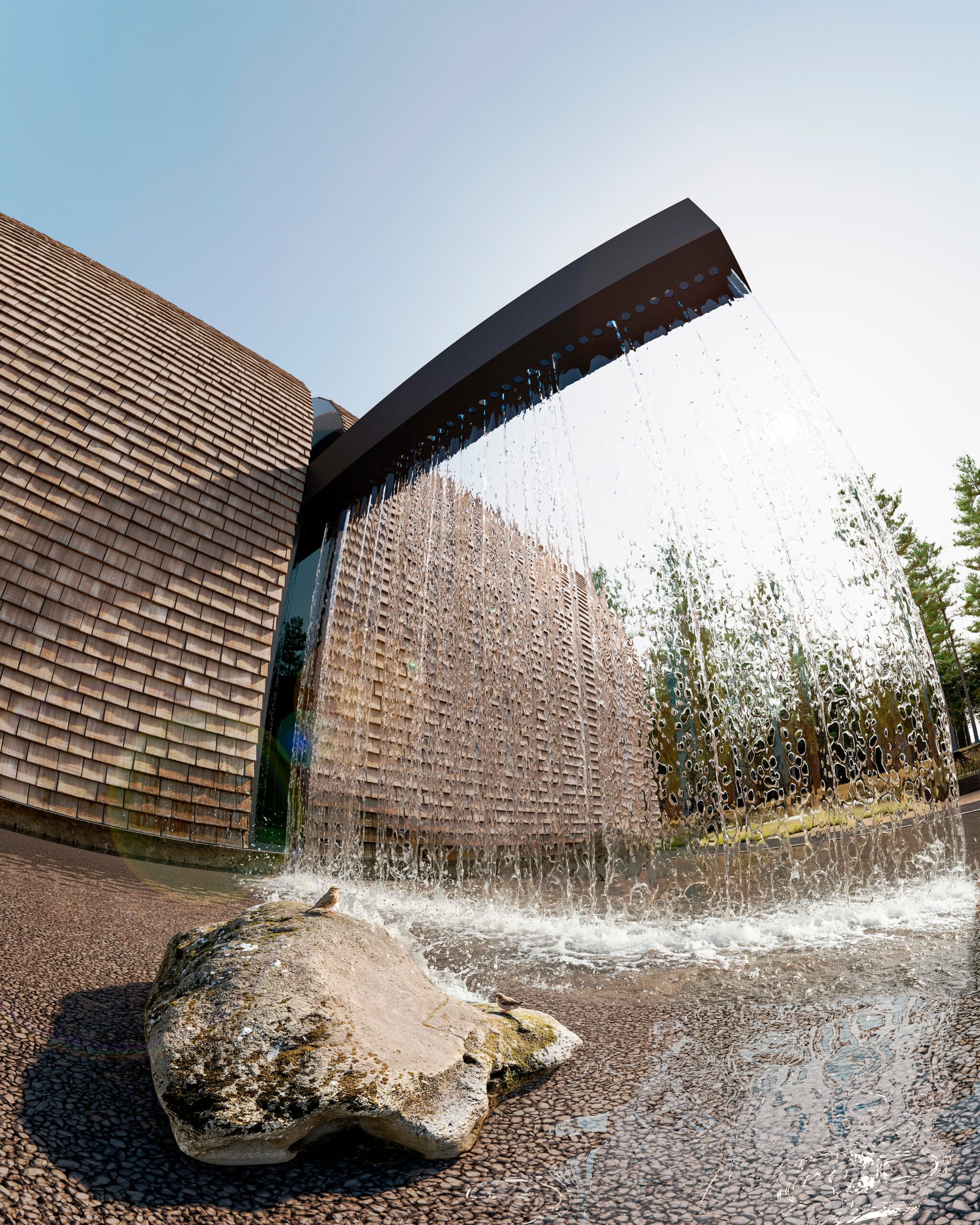

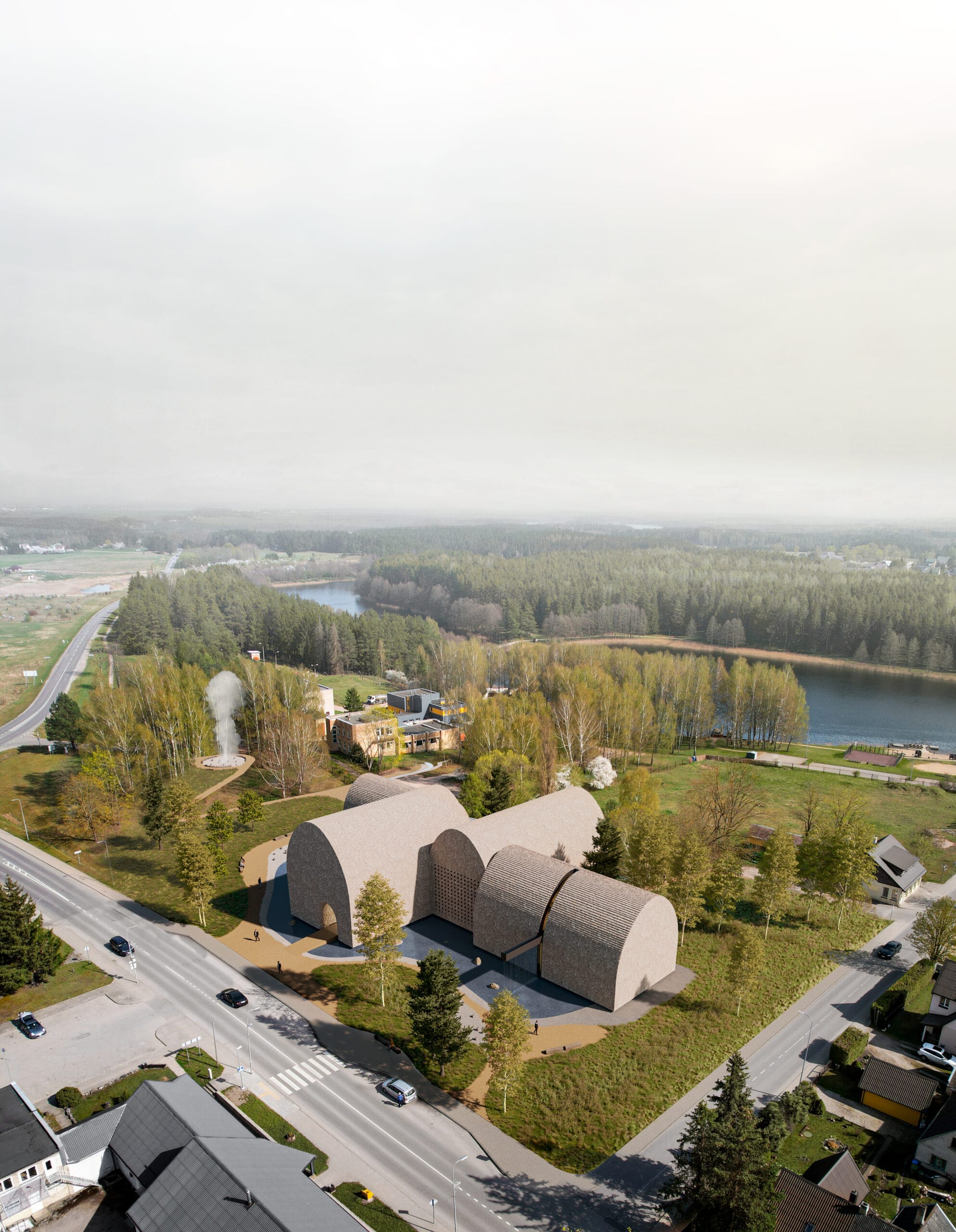
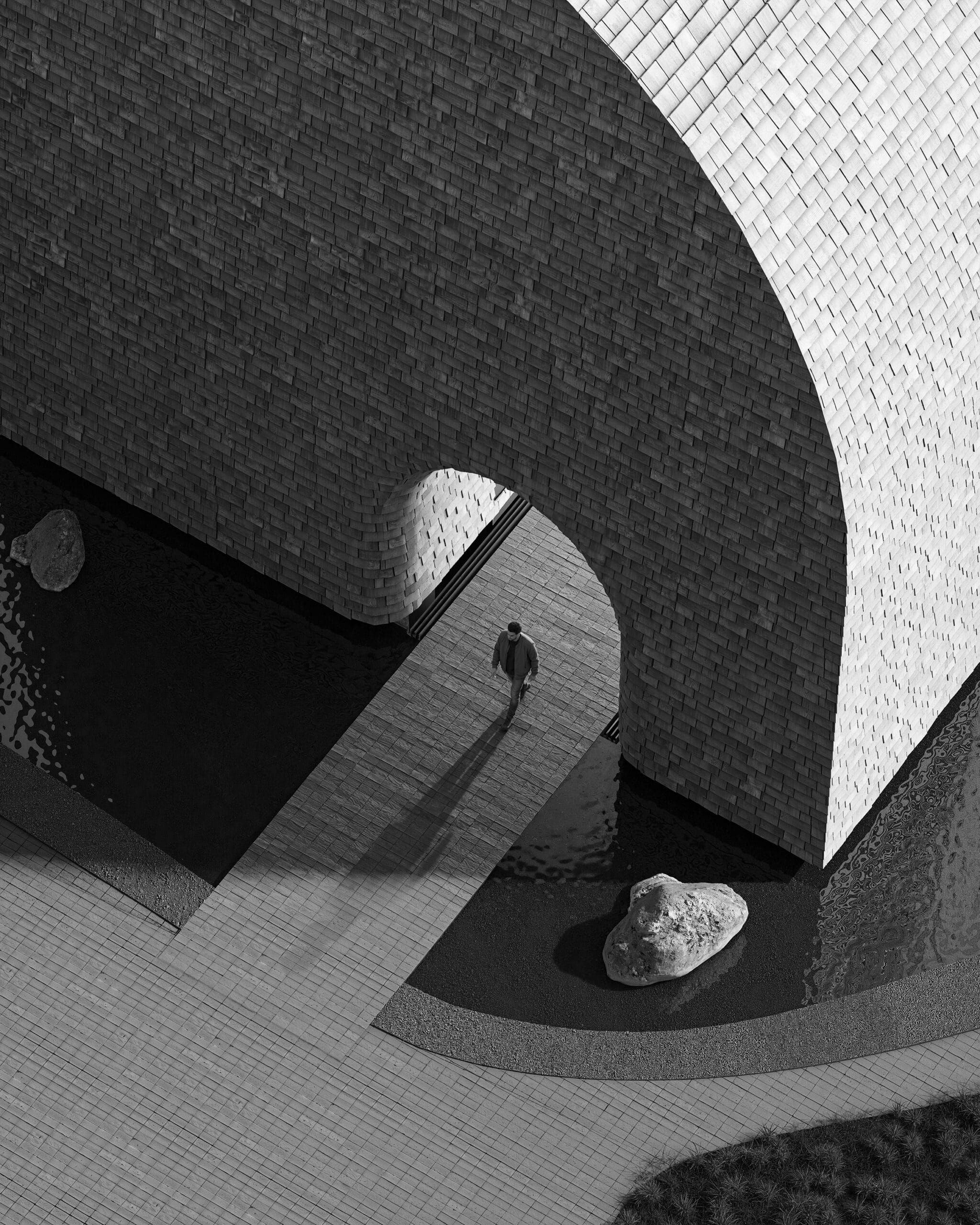
Who is this for?
Designed for architecture students, junior architects and early archviz artists who want clearer, more professional exterior images.
This course is:
- A framework for designing exterior architectural images
- Focused on fundamentals that don’t expire
- Software-agnostic
- Built for architects and visual thinkers
This course is not:
- A rendering or software tutorial
- An AI shortcut system
- A replacement for architectural judgment
Course format & access
6 modules • 2 appendixes • 92 pages in total
Format: PDF
Total learning time: ~90 minutes
Self-paced — complete at your own speed
Beginner-friendly (no advanced knowledge required)
Works on any software (software-agnostic)
What's included inside?
Image Intent Framework
Framing & Camera System
Visual Hierarchy & Composition Method
Lighting for Attention Framework
AI + Compositing Workflow
Full Start-to-Finish Project Walkthrough
Failure Examples + Printable Checklist
$47
Future price
$27
Early access price
What Early Learners Are Saying
If you've ever:
- Spent hours refining an image that still felt unclear
- Felt unsure why some images work and others don’t
- Relied on realism or rendering quality to “save” weak composition
- Been overwhelmed by AI tools without a clear framework
This course will show you how to design the image before you touch the tools.
Why So Many Architectural Images Feel Overworked — Yet Still Unclear
- Prioritizing realism over clarity
- Treating rendering as the solution to weak images
- Teaching tools instead of visual decision-making
Promoting AI outputs without explaining why they work
A More Deliberate Way to Design Architectural Images
Instead of asking:
"How do I make this look better?"
You learn to ask:
"What is this image meant to communicate?"
From there, every decision becomes simpler and more controlled.
Still Unsure? Here’s Why This Is a Safe Purchase
- You don’t need expensive software or hardware
- You can apply the framework immediately
- If it’s not useful, you get a full refund
- Even one improved image makes it worth more than $27
- You keep access even after the price increases
30-Day Practical Guarantee
If you go through One Idea, One Image, apply the framework to at least one exterior image, and feel it didn’t improve your clarity or confidence, email us within 30 days and we’ll refund you — no questions asked.
You’re investing in clarity, not risk.

"This course was created because I see many talented students struggle — not due to lack of skill, but lack of a clear visual framework."
Martynas is the founder and chief artist at mase.works, specializing in high-end architectural visualization and 3d storytelling. With over 10 years of experience delivering visuals for real clients, his work bridges artistic vision and technical precision. In this course, Martynas shares the exact workflows, mindset, and industry practices he uses daily—focusing not just on how to create beautiful images, but how to create them efficiently and consistently, whether you’re an architecture student, a junior architect, or an early-stage archviz artist working toward professional-level results.